When Katharine Ross took over Ross Media Solutions from her in-laws, John and Lori, in 2018, she inherited decades of history, long-time employees and family relationships. She also had to decide where the business would go next.
“The fact that John and Lori wanted me to take over the company, I’m still honored and touched by that today,” Katharine said. “I feel like I’m standing on the shoulder of giants, just trying to make sure I’m a good steward of the resources here for everyone involved.”
That sense of stewardship has guided Katharine as both the business and her own leadership have evolved. She moved from wondering whether she belonged in the CEO seat to leading with a focus on people and a habit of learning.
From the Family Business to the Leadership Seat
John and Lori founded Ross Media Solutions in 1991. The business moved into the senior market later that decade after John struggled to find care information for his father. They saw a need for a centralized resource and launched the Senior Housing and Resource Guide in Richmond in 1999.
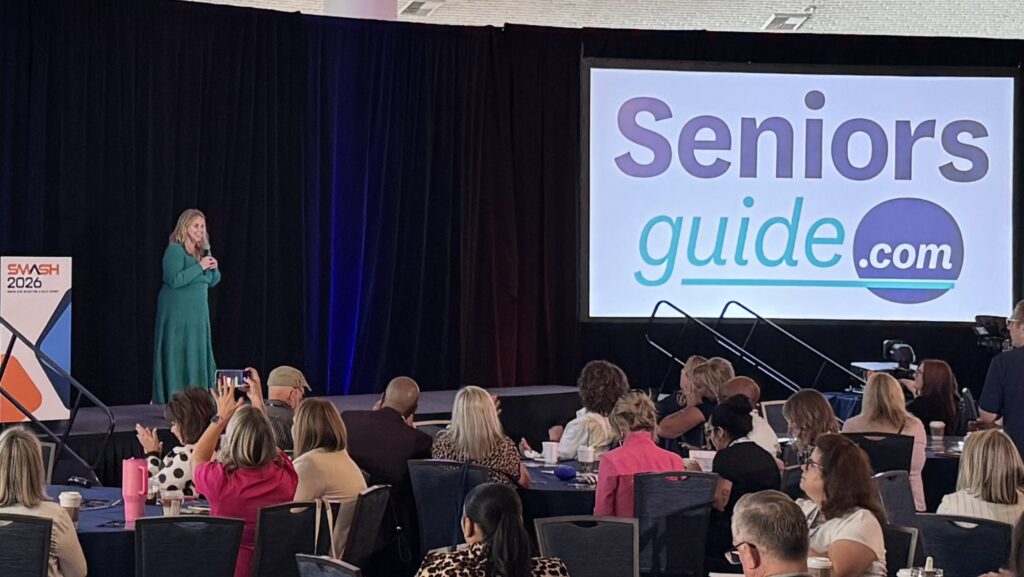
Katharine joined in 2001 as the company expanded into North Carolina. In her early 20s, she pushed the business online and helped launch SeniorsGuide.com. It grew from what she calls “old-school PDFs online” into a searchable resource for people researching senior living and care.
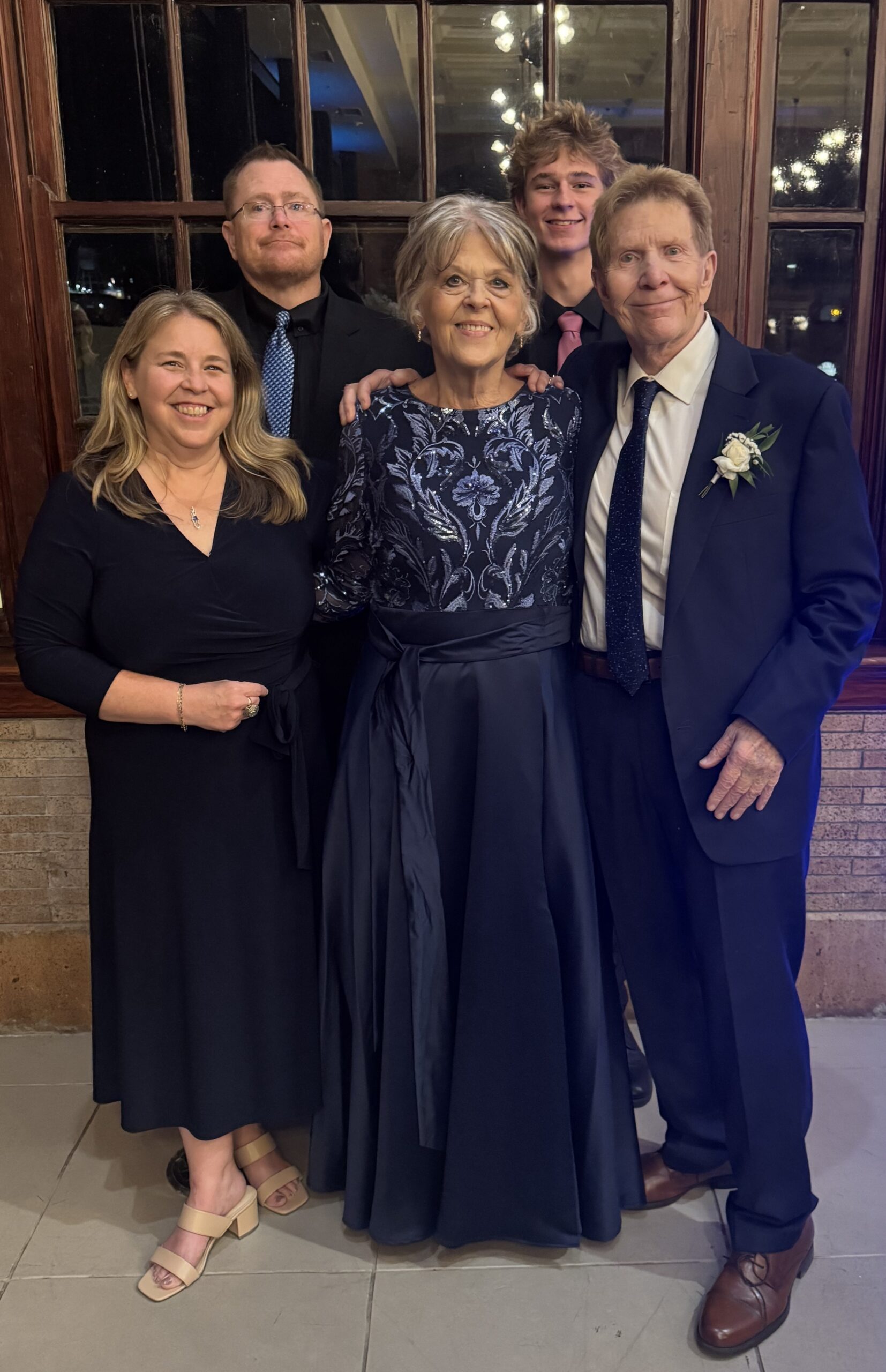
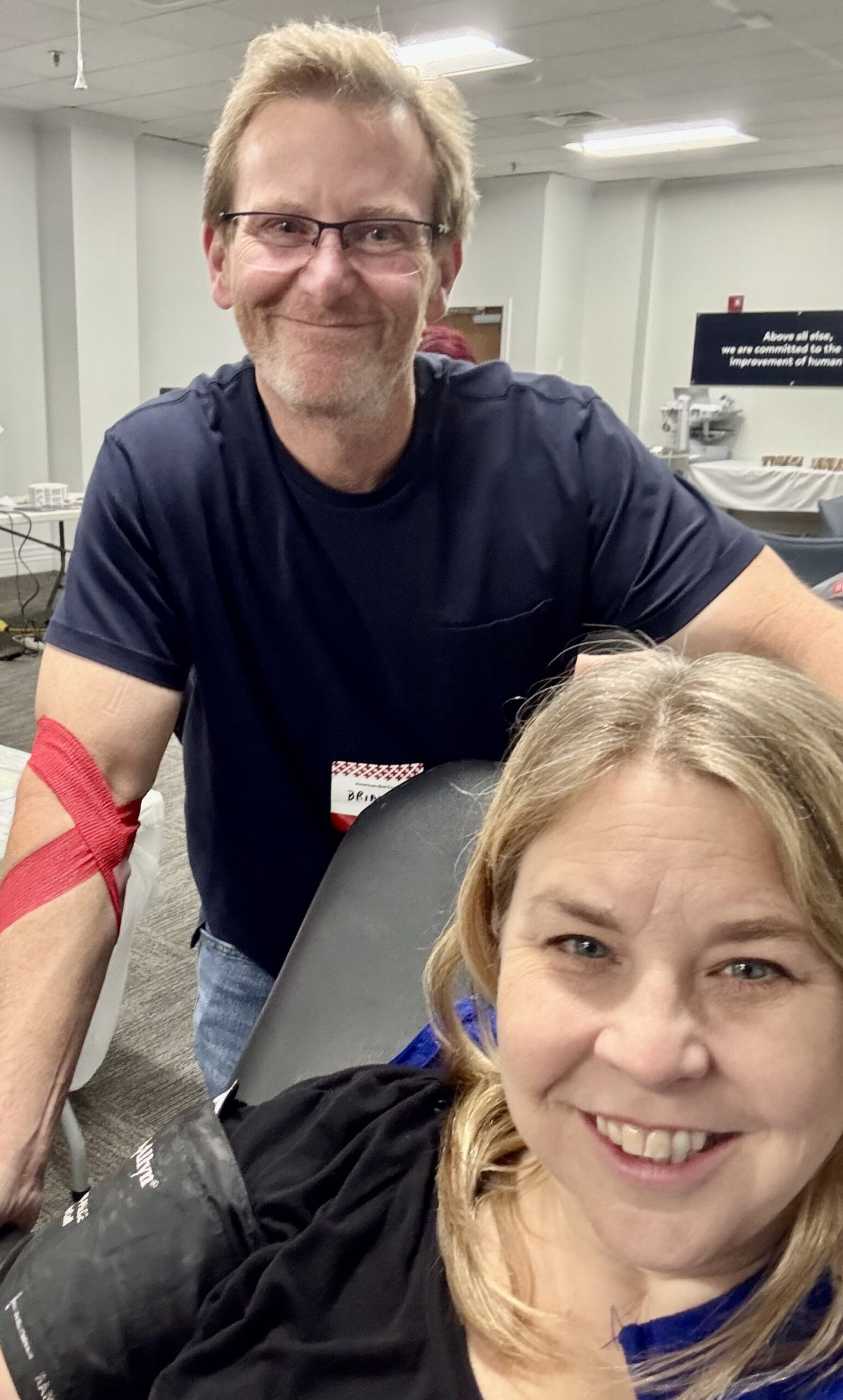
In 2018, Katharine became president as the company moved to its second generation. She leads alongside her brother-in-law Brian, the company’s vice president, who came up through operations and finance while Katharine’s background is in sales and marketing. Taking the top role also meant leading people who had once been her peers. She prefers a collaborative approach but has grown comfortable with the responsibility.
“At the end of the day, I have to make the final call, and I have to be at ease with that,” she said. “And I am.”
Today, Ross Media Solutions is best known for SeniorsGuide.com and Boomer Magazine. Katharine calls the business a “content-first platform,” with the goal of building relationships with readers long before they need information about senior living or care.
When the Business Changed Almost Overnight
In 2020, the pandemic forced the company to end the print edition of Boomer Magazine. Katharine estimates that 11 employees were focused on Boomer at the time, and the company lost 50 to 60 percent of its revenue in the transition.
She and Brian, with the family’s support, decided to try to avoid layoffs. Employees who had spent years doing one kind of work learned new skills and shifted to digital services and SeniorsGuide.com.
“We’re going to commit to helping you get retrained and refocus on our other brands,” Katharine remembers telling the team. “We’re going to do our darndest to navigate this without layoffs.”
It was a hard stretch, including a period when the company froze commissions, but the team adapted. Within 12 to 18 months, the business had replaced the lost revenue, and no one had been laid off. Katharine counts it among the proudest accomplishments of her career. “It only happened because of how much our team pulled together,” she said.
She also sees it as one of the company’s values at work: recognizing the importance of family in every life it touches. In 2020, that meant protecting the families who depended on the business.
When People Leave
Not every leadership lesson came from keeping the team together. In Katharine’s first year as president, two key people resigned. The average tenure at the company is 13.5 years, so the departures shook her confidence. “It really made me look at, ‘Am I the one putting this place in jeopardy because these two folks don’t want to stay here?’”
She sees those moments differently now. “Not everyone is professionally supposed to be part of your world forever,” she said. People grow and circumstances change. Her goal is to handle each transition well enough that the relationship continues.
Katharine still has lunch with former teammates and keeps in touch by phone and text. Some reach out when they spot something the company should know about. She calls them her “angels in the outfield.”
Working Through Imposter Syndrome
Katharine had been running Ross Media Solutions for a few years when she joined Virginia CEOs. She still wasn’t convinced she belonged in a room full of CEOs.
“I had the biggest case of imposter syndrome,” she said. “I walked in the room, and I was like, ‘Oh my gosh, there are titans of industry in here. My voice doesn’t really belong.’” She remembers feeling like “a little sister running the company” rather than fully recognizing that she was already leading it.
Her Roundtable helped change that. Hearing other CEOs talk candidly about personal challenges, staff issues and questions about their businesses was “eye-opening and validating.”
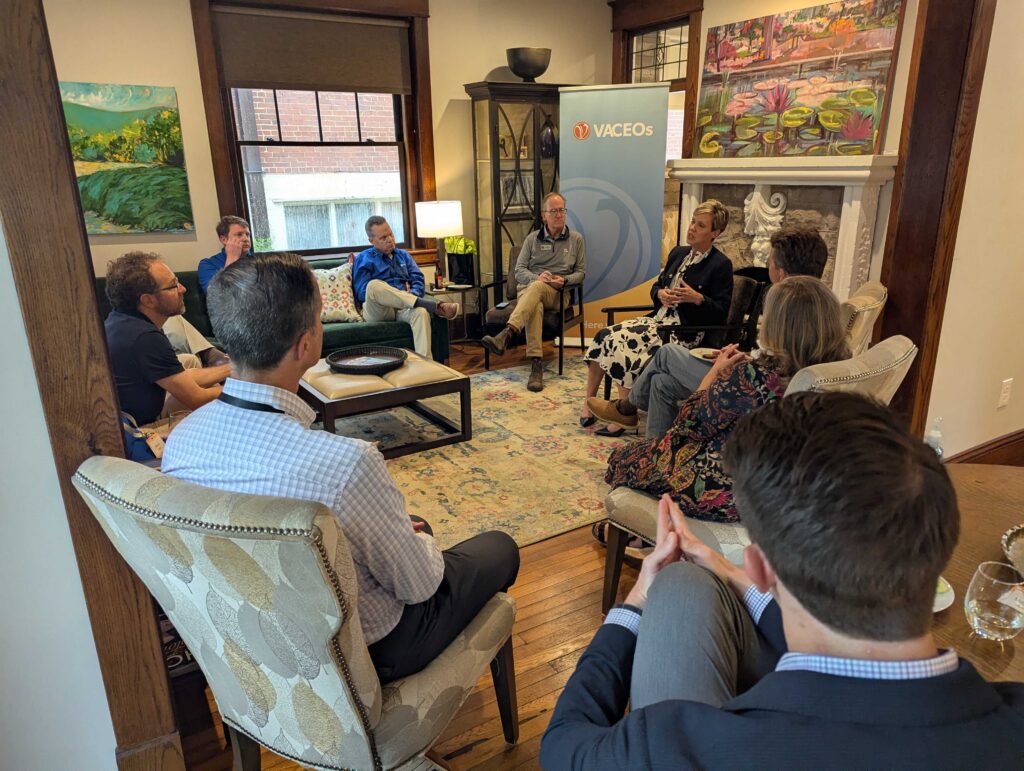
“In the great game of entrepreneurship, we’re all just figuring it out as we go,” Katharine said. Her Roundtable gives her the chance to hear how other leaders have handled similar problems, broaden her perspective and then return to her own guiding principles to make the call. Her involvement has grown since, and she is a member of the VACEOs program committee.
A Softer Form of Business

Katharine describes the culture at Ross Media Solutions as part written and part instinctive. What she values most is how the team responds when someone’s life takes an unexpected turn.
People handle those moments differently. One employee might need to step away, while another might want the distraction of staying involved. The company tries to support both, which Katharine says takes communication, trust and a “we all win together” mindset.
“That’s what I think, at the end of the day, a good small business is doing,” she said. “They are creating connections that are more important than the business.”
With about 20 full-time employees, Ross Media Solutions is small, but Katharine believes its commitment to its people helps the company “punch above our weight.” She calls it a “softer form of business,” putting people first because she believes it makes the business stronger.
It also shapes how she defines success. Asked for her definition, her first answer was simply, “I don’t.” She cares more about whether she and the people around her get to thrive. For her, that means working hard while making time for the people and experiences that matter. For her team, it means a workplace where people can be themselves, whether they’re having a hard day or are fully absorbed in their work.
“If Brian, who’s my business partner, and I are serving the team, then the team brings that servitude to our clients, and then the clients bring that servitude to our business,” she said.
Staying a Little Uncomfortable
Katharine keeps learning through books, webinars and conferences. She doesn’t expect to be an expert in every part of the business; she wants enough knowledge to ask good questions and think critically about the answers. She also has a less conventional way of pushing herself. “I like to scare myself,” she said.
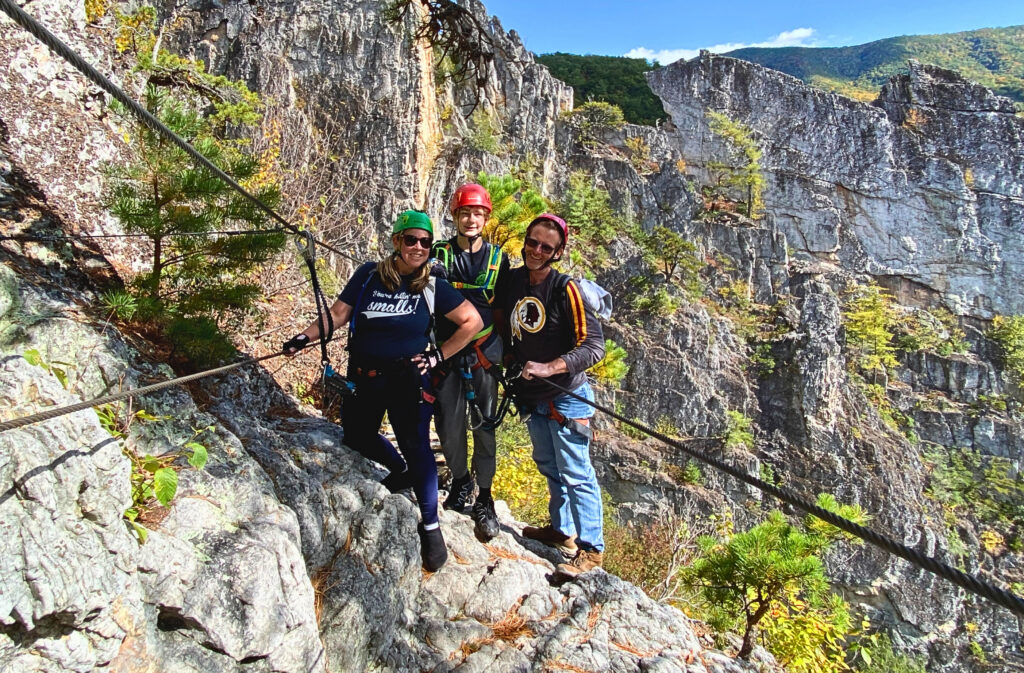
Her brother, who lives in New Zealand, has taken her bungee jumping and on the Nevis Swing. She also skis and bikes, often pushing herself a little beyond her comfort zone. Even public speaking terrifies her, but she keeps doing it anyway.
“I have found that getting comfortable with being a little terrified makes me a better business leader.”
Virginia CEOs Stories highlights the people behind Virginia businesses and the experiences that have shaped them as leaders. Each story offers a chance to learn from the challenges, decisions and relationships that come with leading a company. We’re grateful to Katharine for sharing her story and perspective with the Virginia CEOs community.